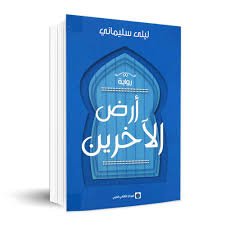
أرض الآخرين
أرض الآخرين
In "The Land of Others" by Laila Soleimani, the novel raises the question of belonging through a precise human story. It deals with the life of a family living between two cultures, in a complex historical context, where identities intersect and sometimes clash. The novel reveals that multiculturalism, despite its richness, can be a source of tension if not managed wisely. In doing so, it reflects one of Europe's most prominent challenges today: How can a diverse society be built without this diversity turning into division? At the end of World War II, Mathilde, a young Alsatian woman, falls in love with Amine Belhaj, a Moroccan officer serving in the French army. They marry and settle near Meknes, at the foot of the Atlas Mountains, on a remote farm that Amin inherited from his father. While Amin struggles to grow a meager crop on the rocky land, Mathilde raises her two children. Mathilde longed for freedom, so she ventured into a new, unknown life, but she soon faced harsh experiences: everyday racism in French colonial society, where it was not acceptable for an Arab woman to marry a French woman, the patriarchal traditions prevailing among the local population, and her husband's lack of understanding. But Mathilde did not give up, but rather fought for recognition and for her life in the land of others.
Bibliographic Data
| Publisher | Cultural Center for the Book |
|---|---|
| Publisher Address | markazkitab@gmail.com |
| Country | Morocco |
| Primary Category | Philosophies and Cultures |
| Also In | |
| Language | Arabic (AR) |
| Translation | Translated |
| Keywords | أرض الآخرين |