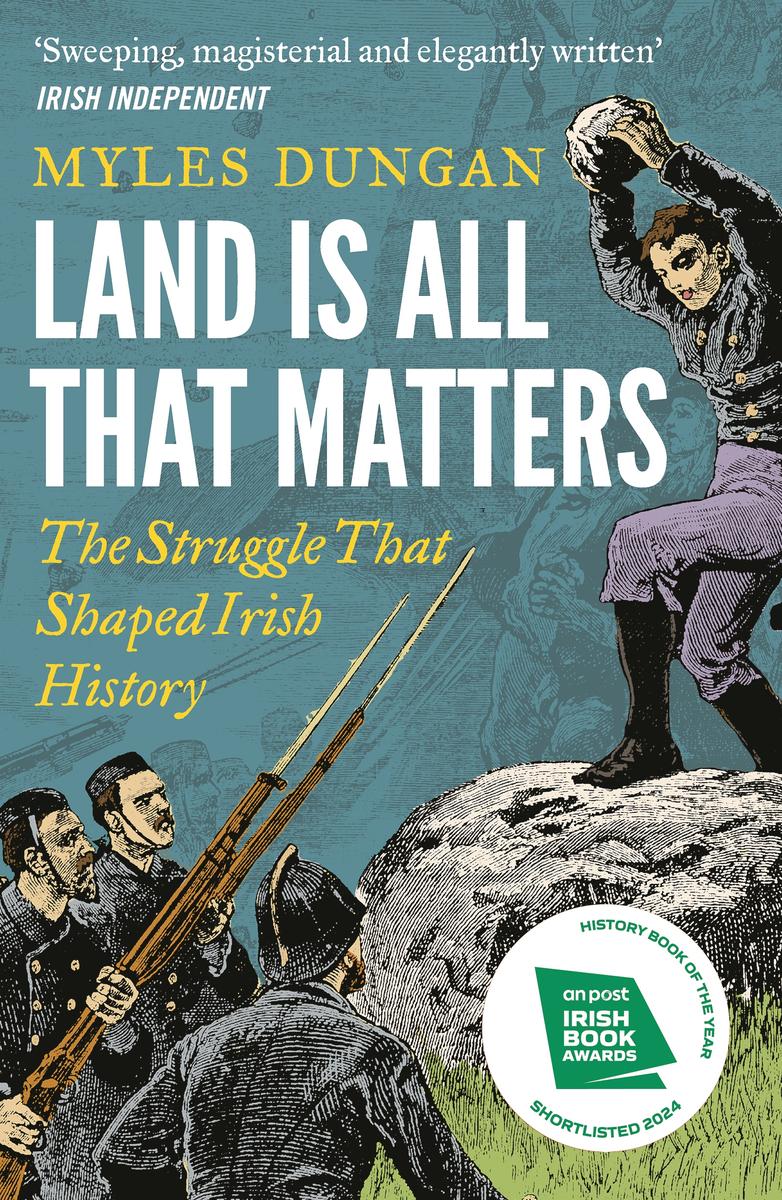
الأرض هي كل ما يهم
الأرض هي كل ما يهم
In Europe during the eighteenth and nineteenth centuries, everyone lived off the land in one way or another. In Ireland, most people also lived off the land. Agriculture was the only economic resource for the majority of the population outside the northeast of the country. The land was vital, but most of it was owned by Protestant and English landowners, often the aristocracy. The dream of controlling, and even owning, their farms was the impetus for many of the fiercest conflicts in Irish history. Revolts against British rule were rare, but brutal killings linked to land discontent, and severe government repression, were a frequent feature of Irish rural life. The land struggle was also a crucial factor in mobilizing support for Irish nationalist demands for home rule and independence. In this epic novel, Miles Dungan examines two hundred years of agricultural conflict, from the devastating famine of 1741 to the eve of World War II. This book explores the pivotal moments that shaped Irish history: the rise of Overtime, the notorious White Boys and Right Boys, Captain Rook's uprising, the Tithe War (1831-1836), the Great Famine of 1845 which devastated the country and greatly reduced its population, and the Land War (1878-1909) which ended in the transfer of most of the landlords' land to their tenants. These events take place against the backdrop of prevailing British rule and stark class and wealth disparities.
Bibliographic Data
| Publisher | BiblioasisWebsite |
|---|---|
| Publisher Address | ' info@biblioasis.com |
| Country | Canada |
| Also In | |
| Language | Arabic (AR) |
| Translation | Translated |
| Keywords | The Land Trap |