
كارثة الفول السوداني الكبرى
كارثة الفول السوداني الكبرى
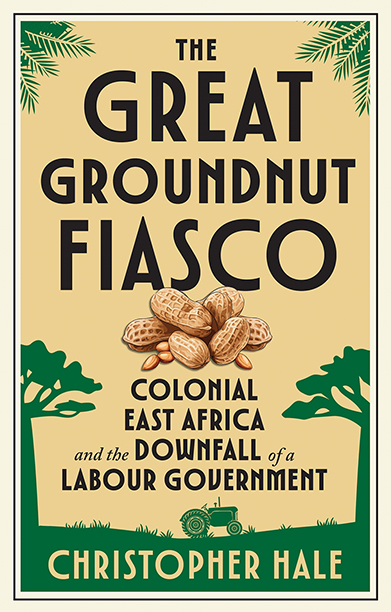
The remarkable story of Labour's efforts to feed post-war Britain by exploiting its African colonies - and the lasting political consequences of the plan's failure Britain in 1946 was an exhausted and burdened nation. Despite its victory in World War II, it emerged frustrated, burdened by debt, and suffering from chronic shortages of food and edible oils. The new Labor government won a decisive popular mandate, but has so far failed to deliver on its promises of a “New Jerusalem.” In a desperate attempt to boost morale, she devised a bold solution to Britain's post-war shortages: the East Africa Peanut Project. Thousands of volunteers were prepared to clear swathes of Tanganyika forests, the size of Yorkshire, to grow oil-rich peanuts. The Labor Party championed this campaign with great enthusiasm, convinced that British ingenuity could transform its colonies into leading agricultural centres. But despite huge investments, the project collapsed disastrously, as a result of its failure to conduct adequate research and its disregard for local knowledge. He was ridiculed by conservatives and tabloids, until the term “peanut” became synonymous with the left’s incompetence and economic failure. The fallout from this failure contributed to Labour's election defeat in 1951. But was it really a huge government error? Christopher Hill reveals a more complex story. United Africa (a subsidiary of the Anglo-Dutch giant Unilever) sold the plan to nervous ministers, then disastrously mismanaged operations. The real scandal was not the failure of socialism, but the betrayal of a nation's hopes by a giant corporation.
Bibliographic Data
| Publisher | Hurst Publishers |
|---|---|
| Publisher Address | direct@hurstpub.co.uk |
| Country | Britain |
| Primary Category | Economy and Development |
| Language | Arabic (AR) |
| Translation | Translated |