العين بالعين.. ماذا نفعل مع الأشخاص الخطرين؟
العين بالعين.. ماذا نفعل مع الأشخاص الخطرين؟
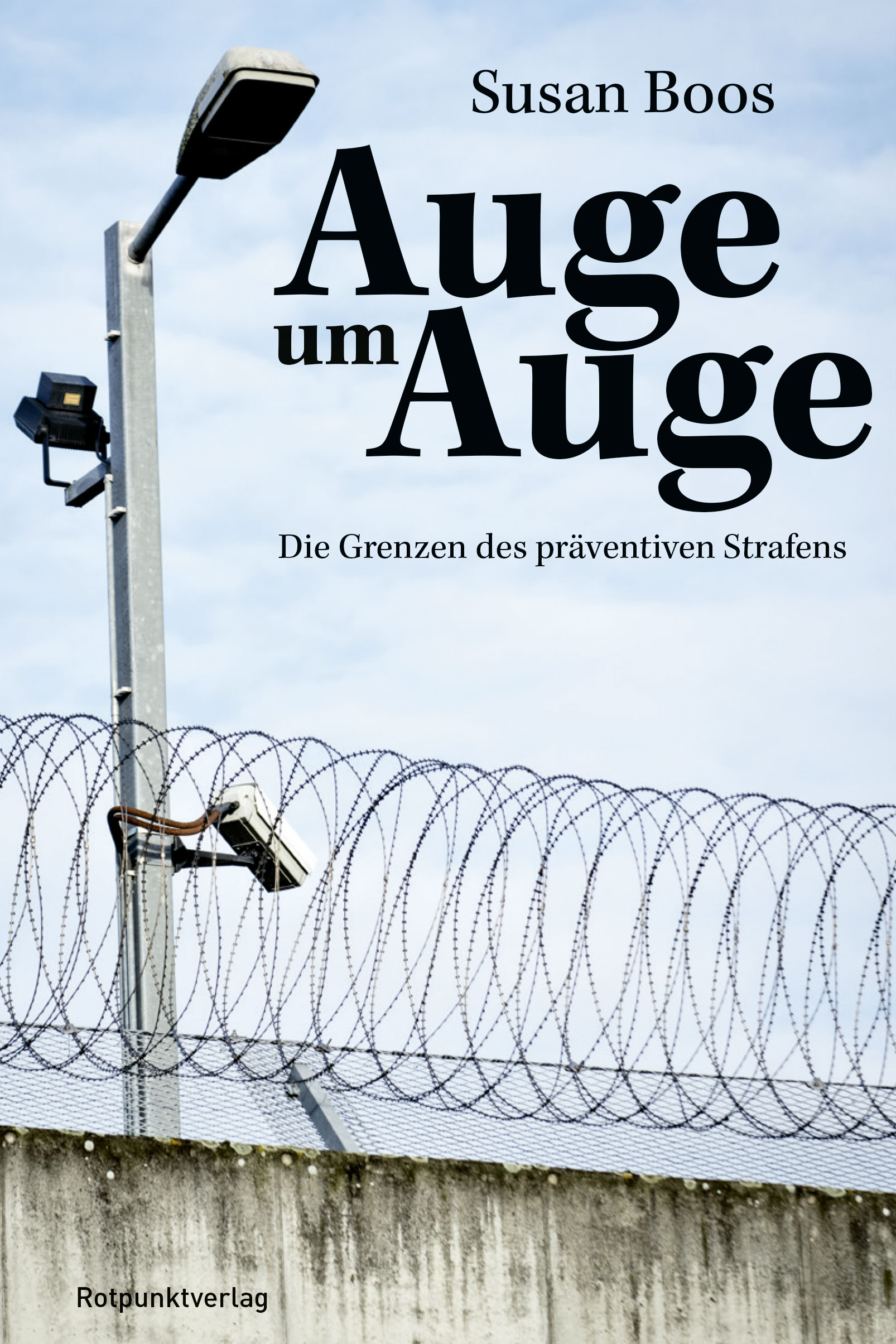
What do we do with dangerous people? With men who killed or abused children? Who might they commit crimes again? It may be possible to rehabilitate them, but only maybe. That is why preventive detention, i.e. indefinite detention, was introduced to protect society from those who might do it again. Susan Boss speaks with experts, detainees in protective custody, and their families. Renowned expert Frank Urbaniuk explains how he developed the Votris diagnostic model, which aims to identify who is truly dangerous and should remain in custody. Mr Vogt tells why he could not bear to remain in detention and wanted to end his life with the help of medically assisted suicide organization Exit. Mrs. Shearer blames herself because she believes she is partly responsible for her son being detained for child molestation. Susanne Bos explores various protective detention systems, from the Swiss system, where detainees are treated as ordinary prisoners, to Germany, where they are housed in private prisons, to the Netherlands, where the system aims to provide them with as normal a life as possible behind the walls. Upon her return to Switzerland, she learns from law professor Martino Mona why preventive detention is inadmissible in a state governed by the rule of law, and how this state will deal with dangerous individuals.
Bibliographic Data
| Publisher | Rotpunkt verlag |
|---|---|
| Publisher Address | info@rotpunktverlag.ch |
| Country | Switzerland |
| Also In | |
| Language | Arabic (AR) |
| Translation | Translated |