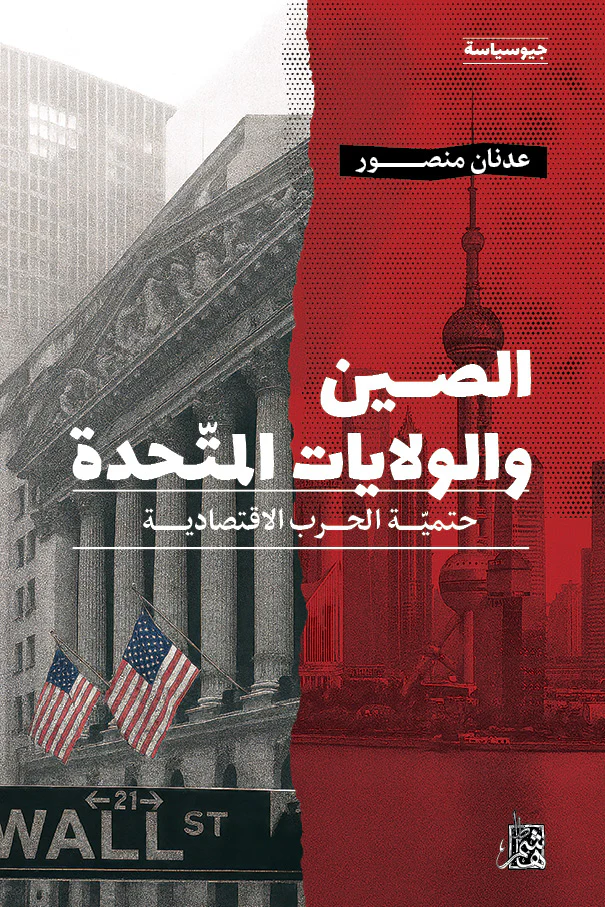
الحرية في الأفق
الحرية في الأفق
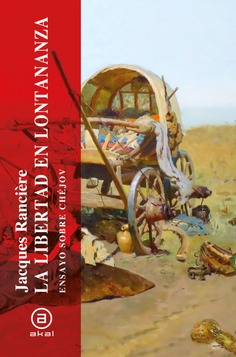
Chekhov's stories present multiple versions of a simple scenario: anything is possible. One day, at random, out of nowhere, a ghost pierces the ordinary life of slavery: freedom is there, on the horizon, suggesting the possibility of another life, a life in which we know why we exist. But most ignore this call. They would rather nothing happen. But Chekhov does not give up. He insists on accompanying his characters to those places where their lives might be turned upside down. From one story to another, he weaves this time driven by the merciless reproductive machine, which, from pause to pause, tears itself apart and unfolds in a time of alleged freedom that refuses to end, but remains a pending possibility. We can call this the politics of politeness. This book, written by one of the great European thinkers, opens new and interesting horizons for readings of the Russian writer's works. Jacques Rancière is one of the most prominent figures in contemporary French thought. As Professor Emeritus of Philosophy at the University of Paris VIII (Saint-Denis), his work focused on the fields of politics and aesthetics. Learn more about Jacques Rancière by Francisco Lopez Martin (translator)
Bibliographic Data
| Publisher | Ediciones AkalWebsite |
|---|---|
| Publisher Address | atencion.cliente@akal.com |
| Country | Spain |
| Also In | |
| Language | Arabic (AR) |
| Translation | Translated |