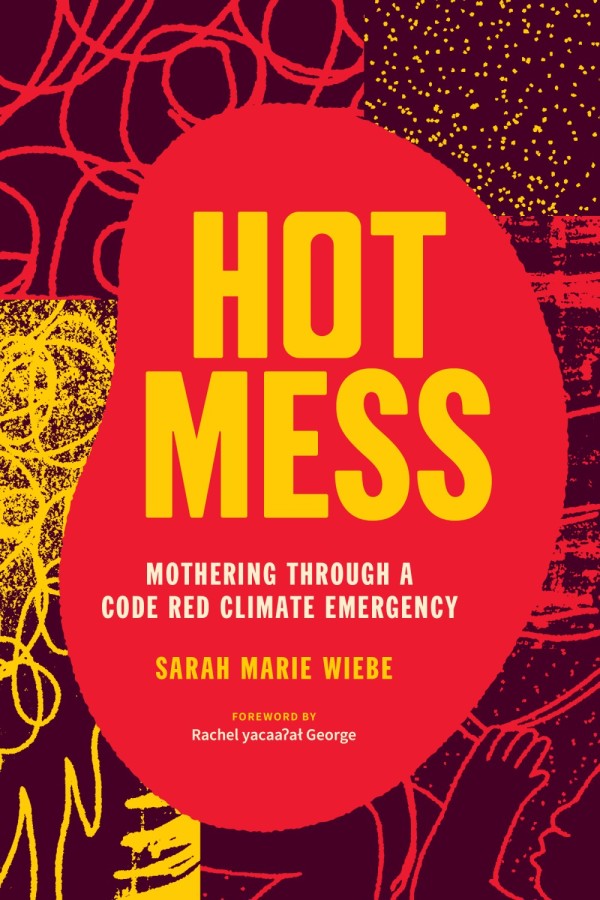
فوضى عارمة الأمومة في ظل حالة طوارئ مناخية من الدرجة الأولى
فوضى عارمة الأمومة في ظل حالة طوارئ مناخية من الدرجة الأولى
The climate emergency is no longer just an external threat to our well-being: this deeply political circumstance is deeply personal. In the postpartum summer, Sarah Marie Wiebe and her baby endured British Columbia's extreme heat wave of 2021, with temperatures exceeding normal by more than 20 degrees, setting new temperature records across the province. It was the deadliest weather event in Canadian history. The extreme heat caused Webby to be hospitalized, where she suffered from dehydration and was separated from her infant from dawn until dusk. Thus began a year of motherhood in the midst of heat, fires and floods. The many forms of the climate emergency have shaped Webby's parenting policies, revealing the layers, details, and subtleties of the catastrophic emergencies we face in a world dominated by extractive capitalism. Drawing on hospital symbols to explore connections, Webby opens sensitive dialogues around intimate questions of how our bodies respond to emergency interventions: informed consent, emergency caesarean births, reproductive mental health, and anti-colonial and anti-racist resistance. As a critical ecofeminist scholar, Wiebe calls for a collective imagining and embodiment of ethical, caring relationships between humans and the planet, including our atmosphere, lands, waters, animals, plants, and us humans.
Bibliographic Data
| Publisher | Fernwood PublishingWebsite |
|---|---|
| Publisher Address | info@fernpub.ca |
| Country | Canada |
| Also In | |
| Language | Arabic (AR) |
| Translation | Translated |