بناء السلام
بناء السلام
Translated
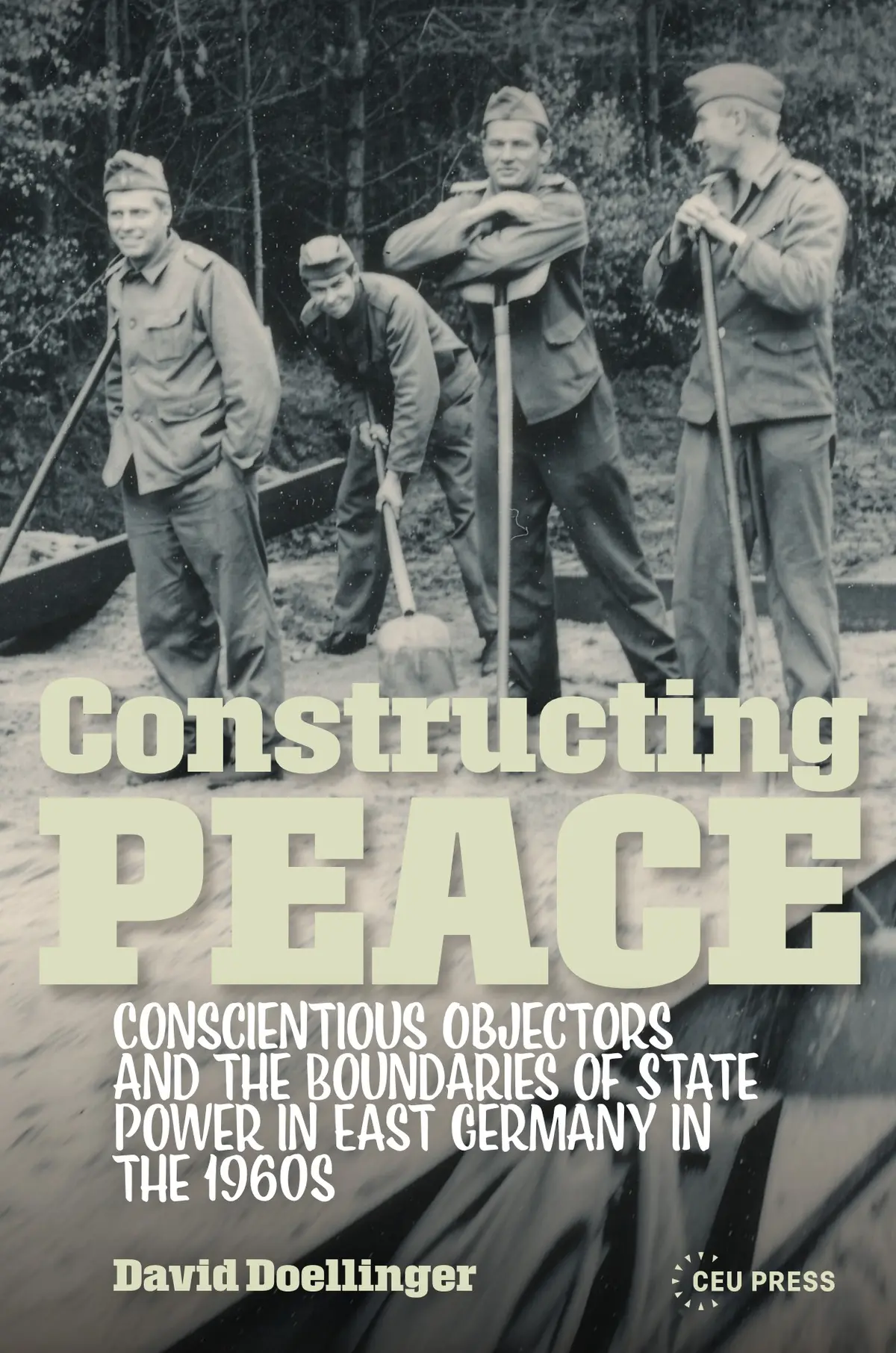
Conscientious objectors and the limits of state power in East Germany in the 1960s In 1964, East Germany introduced an alternative, unarmed military service, which recognized religious belief as a basis for conscientious objection. In a new class of military unit, pacifists took over construction duties. While they accepted the compromise of wearing a military uniform, many Bausoldaten soldiers refused to conform to the army's expectations. Some of them refused to take the oath of service and work on projects with a direct military orientation. They established the principle that the service of construction soldiers goes beyond merely spending eighteen months in uniform. As civilians, they continued their advocacy activity by forming local peace networks and groups, which later formed the basis of a broader social movement committed to peace. Drawing on oral history interviews, party and state files, army and secret police documents, and church records, Building Peace focuses on the development of this activity among the first two batches of construction soldiers in the mid-1960s.
Bibliographic Data
| Publisher | Amsterdam University PressWebsite |
|---|---|
| Publisher Address | info@aup.nl |
| Country | Netherlands |
| Also In | |
| Language | Arabic (AR) |
| Translation | Translated |