الشرق الأوسط في العصور القديمة
الشرق الأوسط في العصور القديمة
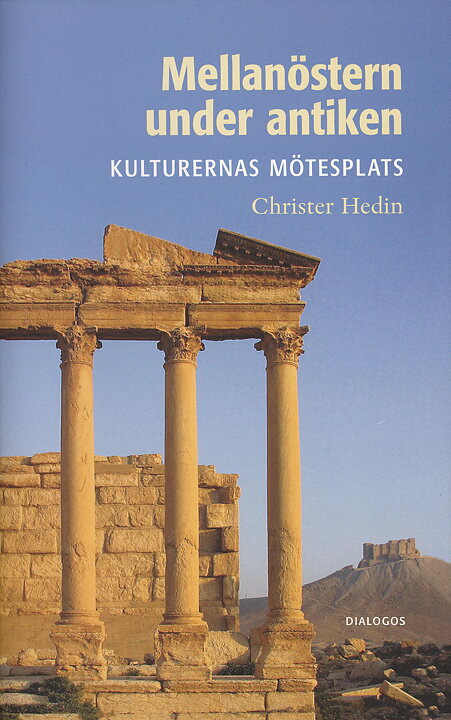
Why were the ancient Greeks the first in Europe to have all of this? The map answers: Greece is the closest to the Middle East. Writing began to be used there more than five thousand years ago. The culture of Greece, which is much more recent, was built on Egyptian influences that reached Europe via the island of Crete. The Mediterranean was a medium of communication. Assyria, Babylon, Iran, and other nations grew into global empires in ancient times. The Greeks lived along the coasts of Asia and Africa. Alexander the Great laid the foundations of Hellenistic culture with an empire that extended from Greece to India. The Roman Empire included large parts of North Africa and the Middle East. All this contributed to a rich cultural exchange. Gradually, the fruits of this exchange were collected in the Eastern Roman Empire, where the culture flourished during Late Antiquity. This heritage was seized by Islamic countries, from where it returned to Europe in an improved state during the Middle Ages. Without them, our knowledge of the ancient Greeks would be much less. Rich with photographs and maps, this book provides a comprehensive picture of the crossroads of cultures in what is today the Middle East. Christer Hedin was a historian of religions, and worked for many years on Swedish radio. He taught at Stockholm College of Education, and worked for many years as a radio journalist and head of the scientific editorial department at Swedish Radio.
Bibliographic Data
| Publisher | Dialogos Förlag |
|---|---|
| Publisher Address | info@dialogosforlag.se |
| Country | Sweden |
| Primary Category | Economy and Development |
| Also In | |
| Language | Arabic (AR) |
| Translation | Translated |