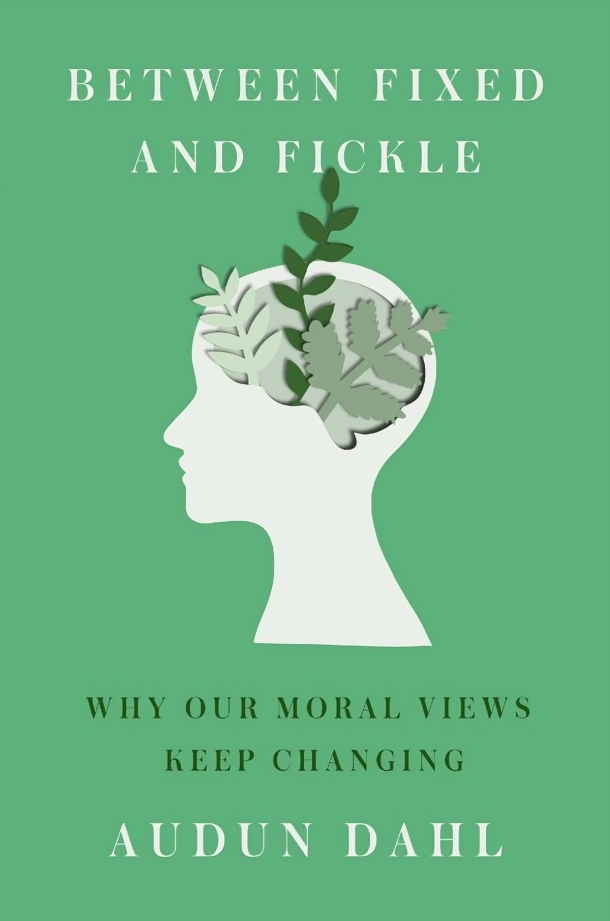
Between Fixed and Fickle Why Our Moral Views Keep Changing
بين الثابت والمتغير | لماذا تتغير وجهات نظرنا الأخلاقية باستمرار؟
A psychologist explains why and how moral views change across different life stages, situations, and historical eras. We tend to think that moral truths are self-evident and immutable: cheating is wrong, killing is wrong, enslaving is wrong. However, people often cheated, killed, and enslaved without remorse. Actions that seem blatantly wrong to us today may seem acceptable to someone who is younger, facing different circumstances, or who lived a century ago. Why does morality seem unstable? A common explanation is that emotions, self-interest, and social pressure easily distract people from moral concerns because they lack a sincere moral commitment. But the evidence suggests otherwise. Drawing on studies of children, adolescents, and adults, Audun Dahl argues that human morality is neither fixed nor fluctuating, neither static nor changeable. Rather, people change their moral views when they believe they have good reasons to do so, reasons they can express to themselves and endorse to others. Moral change science cannot solve our moral dilemmas. It does not define moral right and wrong for us. But it helps us understand why we have moral views in the first place, why these views change constantly, and why they seem self-evident to us but not to others. Between Constancy and Volatility separates moral psychology from moral preaching, revealing what lies behind our shifting agreements and disagreements on our journey toward shared, hard-earned moral truths.
Bibliographic Data
| Publisher | Harvard University PressWebsite |
|---|---|
| Publisher Address | contact_hup@harvard.edu |
| Country | USA |
| Primary Category | Philosophies and Cultures |
| Language | Arabic (AR) |
| Pages | 304 pages |
| Edition | الأولى |
| Dimensions | 9×6 |
| ISBN | 9780674292086 |
| Translation | Not Translated |