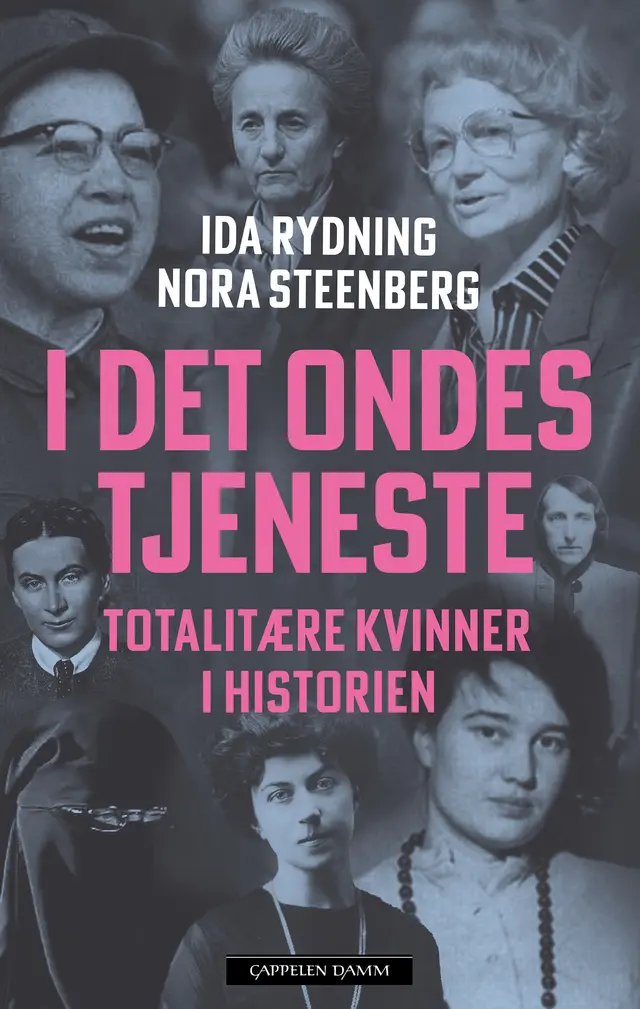
في خدمة الشر .. النساء في الأنظمة الشمولية في التاريخ
في خدمة الشر .. النساء في الأنظمة الشمولية في التاريخ
What led some women to support and promote the most brutal regimes in modern history? The book highlights eleven women, including Haldis Nygaard Östby, Alexandra Kollontai, Gertrud Schulz-Klink, Jiang Qing, and Elena Ceauşescu, who actively contributed to the formation of Nazism, communism, fascism, and Islamism. In the aftermath of World War I, several new political ideas emerged in Europe, driven by the experiences of war and the turmoil of the interwar period. Some of these ideas evolved into what we know today as “totalitarian” ideologies, such as Nazism, communism, fascism, and Islamism, where the goal was to control the entire society, down to people’s way of thinking and way of life. While history books have often focused on the male leaders of totalitarian regimes, this book shows how women also held power, influence, and responsibility in many totalitarian movements. At a time when women were viewed as passive spectators to the course of history, these life stories show something else: that some women were not only influenced by ideologies, but also helped shape them. The book carries a feminist project that demands: holding women who used violence and hatred as political weapons accountable. But In the Service of Evil offers much more than that. It gives women their names, context, background, and responsibility. ...The authors tell the story in a sober, unforgiving, and sometimes moving style.
Bibliographic Data
| Publisher | Cappelen Damm ASWebsite |
|---|---|
| Publisher Address | info@cappelendamm.no |
| Country | Norway |
| Primary Category | Ideas and Policies |
| Language | Arabic (AR) |
| Translation | Translated |