المثقفون | علماء الاجتماع وتكوين وكالة المخابرات المركزية
المثقفون | علماء الاجتماع وتكوين وكالة المخابرات المركزية
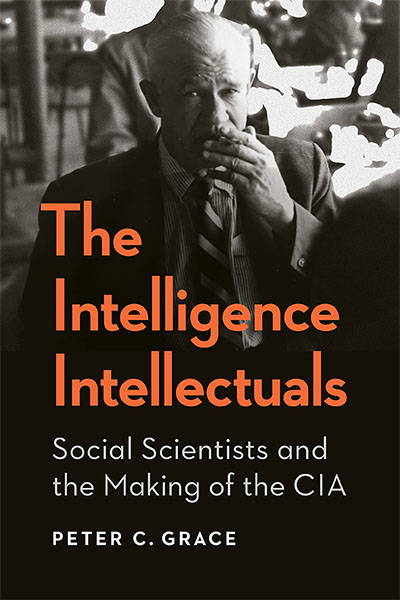
The untold story of how America's brightest academic minds revolutionized intelligence analysis at the CIA. Early in the Cold War, the United States faced a crisis in intelligence analysis. A series of intelligence failures in 1949 and 1950, including the failure to warn of a North Korean invasion of South Korea, made clear that intuition and conventional practices were no longer sufficient for analyzing intelligence in the nuclear age. The new director of the CIA, Walter Bedell Smith, had the task of reforming it. Based on new archival research into declassified documents and participants' personal papers, "**Intelligence Intellectuals**" reveals the neglected history of how the CIA attracted America's brightest academic minds to revolutionize intelligence analysis during this critical period. Peter C. describes Grace examines how the scientifically sound analytical methods they introduced greatly helped the United States gain an advantage in the Cold War, and how these new analysts legitimized the CIA's newly created role in the national security community. Grace shows how these professors—such as William Langer of Harvard, Sherman Kent of Yale, and Max Millikan of MIT—developed methodological approaches to intelligence analysis that shaped the CIA's methodology for decades to come. Readers interested in the history of the Cold War and intelligence, scholars of intelligence studies, Cold War historians, and intelligence practitioners seeking to understand the foundations of their work will appreciate this insightful history of the place of the social sciences in national security.
Bibliographic Data
| Publisher | دار نشر جامعة جورج تاون |
|---|---|
| Publisher Address | gupress@georgetown.edu |
| Country | USA |
| Primary Category | Ideas and Policies |
| Language | Arabic (AR) |
| Translation | Translated |