ألغاز وراثية.. كيف تستفيد البشرية من اختلافاتنا في الحمض النووي
ألغاز وراثية.. كيف تستفيد البشرية من اختلافاتنا في الحمض النووي
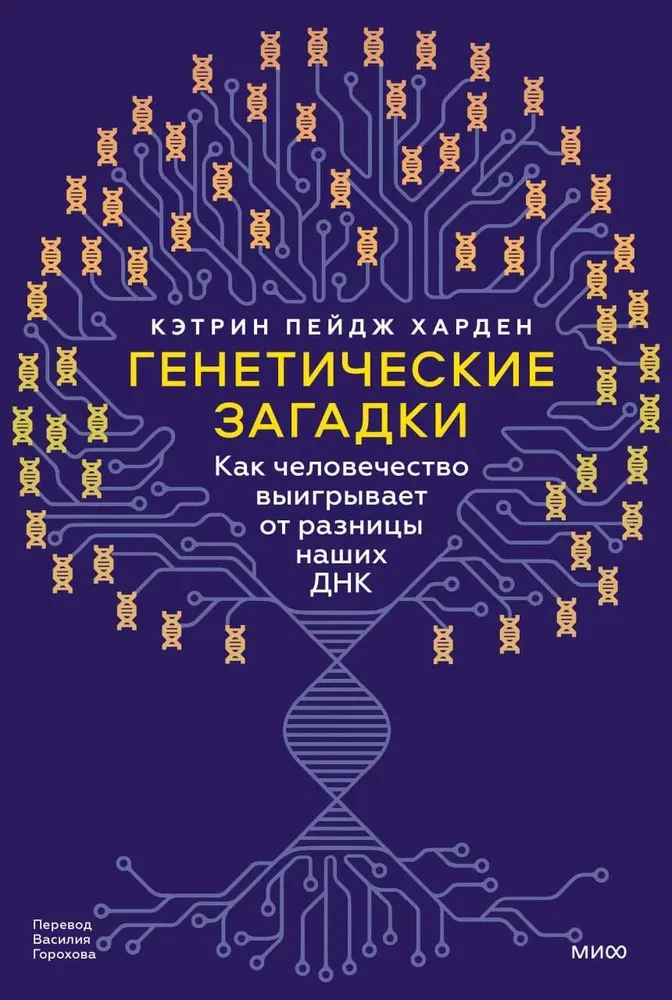
Being born with certain genes is like a lottery, pure luck, or on the contrary, bad luck. Genes are beyond our control, yet they determine many things: academic success, health, life expectancy, and even income. Genetics has long been used to justify social inequality. But what if he is not an enemy of justice, but rather a necessary tool for establishing it? This is precisely what behavioral geneticist Katherine Paige Harden proves in her book: differences in DNA do affect life chances, and ignoring this fact is more dangerous than talking about it openly. Drawing on recent research, Harden reveals the true meaning of the “genetic lottery,” why some children learn more easily while others need support, what polygenic markers are and how they work, why genetics cannot explain “racial differences,” and how genetics can contribute to creating equitable education, health care, and social policy systems. This book is an honest, impeccably scholarly, profound, and at once humane conversation about how we differ and why acknowledging those differences is the path to equality. Who is this book for? For those who want to understand how genes really work. For those who want to understand why people learn, react and cope differently – and how to build effective support systems. For everyone who cares about equality and justice.
Bibliographic Data
| Publisher | (Mann, Ivanov and Ferber (MYTH) |
|---|---|
| Publisher Address | mann-ivanov-ferber |
| Country | Russia |
| Also In | |
| Language | Arabic (AR) |
| Translation | Translated |