المكسيك .. تاريخ يمتد لخمسة قرون
المكسيك .. تاريخ يمتد لخمسة قرون
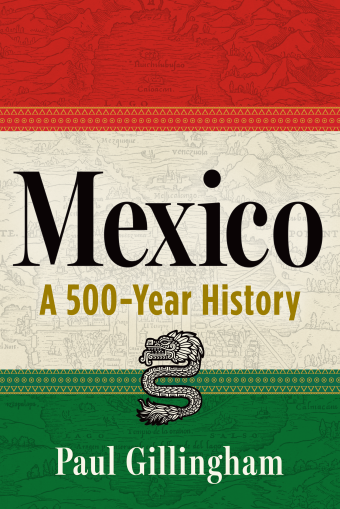
At the beginning of his remarkable work of research and narrative, Paul Gillingham writes, from the beginning “Mexico was more globally hybridized than anywhere else in the previous history of the world.” Over the next five centuries, Mexicans predicted and shaped the course of human life around the world. Gillingham's story begins in 1511 with a tragic shipwreck of two Spanish sailors in the far south of Mexico. Ten years later, Hernán Cortés led an army of European adventurers and indigenous rebels to capture the legendary city of Tenochtitlan, the center of Montezuma's empire, the largest in the Americas. The capture of the future Mexico City was not just an extraordinary military event, but a collision of two long-separated worlds, radically different in everything from wildlife to urban planning. The Spanish discovered tomatoes, chocolate, and a city larger and more developed than anything they had seen before. The Mexicans discovered horses, wheels, and deadly germs, igniting a catastrophic century of disease that wiped out the majority of the indigenous population and led to a unique reshaping of European and indigenous cultures. Industrial silver mining in Mexico radically transformed the world's wealth and trade. Mexico's independence from the Spanish Empire in 1821 led to a disastrous mid-century war with the United States, and to one of the first major social revolutions that brought peace to Mexicans during the many global horrors of the 20th century, before the country itself collapsed into drug cartel violence and the refugee crisis of the 2000s.
Bibliographic Data
| Publisher | Grove AtlanticWebsite |
|---|---|
| Publisher Address | info@groveatlantic.com |
| Country | USA |
| Primary Category | Ideas and Policies |
| Also In | |
| Language | Arabic (AR) |
| Translation | Translated |
| Keywords | mexicoالمكسيكتاريخ المكسيك |