
Dopamine Kids A Science-Based Plan to Rewire Your Child's Brain and Take Back Your Family in the Age of Screens and Ultraprocessed Foods
إيران وحماس: من مرج الزهور إلى طوفان الأقصى
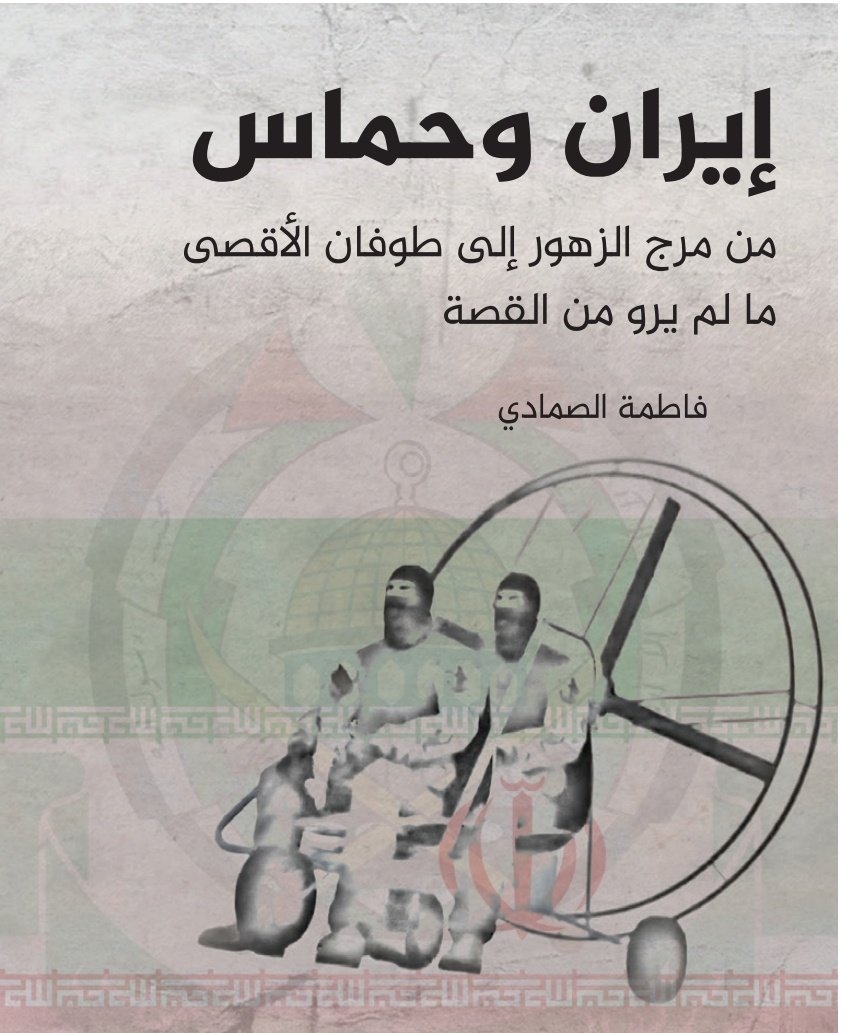
In mid-October 2024, the Al Jazeera Center for Studies published the book Iran and Hamas: From Marj al-Zuhur to al-Aqsa’s Flood [Arabic: Iran and Hamas: From Marj al-Zuhur to al-Aqsa’s Flood] by Dr. Fatima al-Sammadi, a senior researcher and expert on Iranian affairs at the Center. The book provides a comprehensive overview of the development of the relationship between Iran and Hamas, highlighting the main milestones and crises, as well as the regional and international factors affecting them, up to the current geopolitical landscape. Al-Samadhi explores the relationship between Iran and Hamas from a perspective that transcends ideological dimensions, taking readers on a historical journey that reframes the relationship within a broader context of shared interests and challenges. It begins by reviewing the different stages of Iranian policy towards Palestine, starting from the late Qajar era (1794-1925), through the period of Pahlavi rule (1925-1979), all the way to the post-Islamic Revolution era (1979-present). The book devotes an entire chapter to the Al-Aqsa Flood incident, examining Iranian interpretations of this incident and its repercussions. It discusses the positions of the various actors in the axis of resistance, the factors guiding their movements, and the impact of the Houthis’ involvement in the confrontation, detailing Iranian strategic principles. Drawing on written sources, reliable testimonies, and extensive interviews, the author delves into the political and religious backgrounds that shaped Iran's relationship with Hamas. It highlights the positions of key figures such as Ayatollah Kashani and Ayatollah Khomeini towards the Palestinian issue. Kashani saw the Zionist project as a threat to humanity, while Khomeini made opposition to the “Zionist entity” a hallmark of the Islamic Revolution, raising the Palestinian issue to a central position in Iranian foreign policy. In addition, Al-Sammadi believes that the relationship between Iran and Hamas goes beyond mere ideological compatibility, as it serves common interests. The book reviews visits made by Hamas leaders to Iran, such as the visit of Sheikh Ahmed Yassin in 1998, where he expressed his gratitude for Iran’s support for Palestine. For its part, Iran viewed this relationship as a way to enhance its regional influence. Discussing the Syrian crisis, the book explains the role of the Izz al-Din al-Qassam Brigades, led by Muhammad Deif, in maintaining contact with the Quds Force despite political differences, emphasizing a shared commitment to resisting the Zionist occupation that transcended their differences on regional issues. The book also sheds light on the position of Arab countries on the relationship between Iran and Hamas, pointing out the reservations or categorical rejection of some countries, as they view Hamas as an “agent of Iranian policies.” This perception led to political isolation for Hamas in the Arab world, which prompted it to strengthen its relations with Iran in light of weak Arab support for the Palestinian cause.
Bibliographic Data
| Publisher | Al Jazeera Center for Studies |
|---|---|
| Publisher Address | مركز الجزيرة للدراسات |
| Country | Qatar |
| Primary Category | Ideas and Policies |
| Also In | |
| Language | Arabic (AR) |
| Pages | 379 pages |
| Edition | الأولى |
| Dimensions | 14.53 x 2.34 x 21.67 cm |
| ISBN | 12/12/2024 |
| Translation | Not Translated |